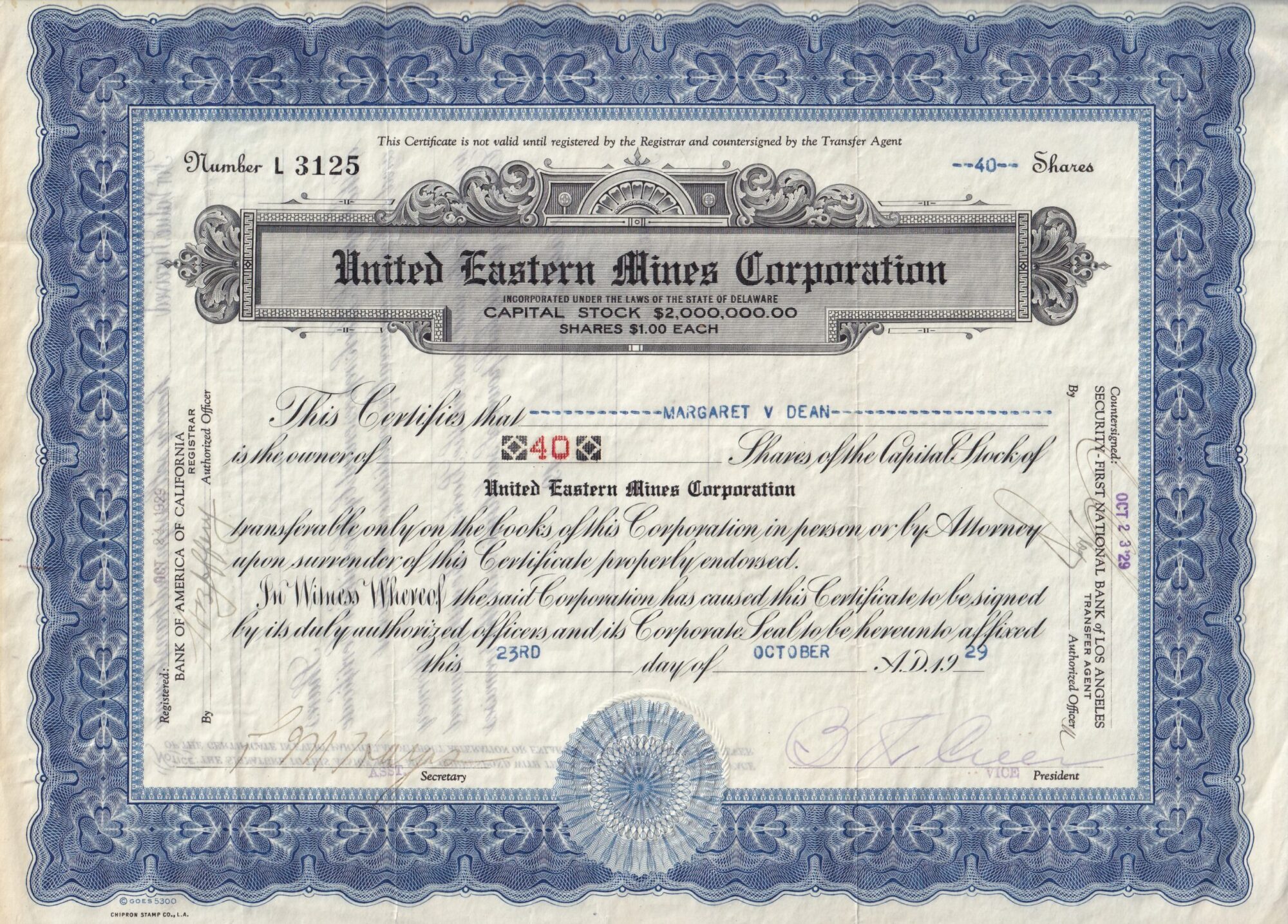
Futures trading data for this week now shows futures traders are taking advantage of the Dow being undervalued relative to the U.S. Dollar and are making preparations for the Dow to move upward. Calculations indicate a structure will be completed in a very short period of time that is similar to what was developed between February 12, 2018 and October 3, 2018. With the participation of futures traders and Market Makers, a move to 38,000 is achievable. This will complete the 1929 model.
Dow: Volatility

Stock chart courtesy of StockCharts.com.
In addition to generating structures similar to what was developed between December 1, 2021 and December 2, 2021 volatility has provided Market Makers with an opportunity. The daily Dow futures candlestick chart indicates a repeat performance of October 1, 2021 to October 6, 2021. On January 25, 2022 it was observed that a significant number of very large blocks crossed the tape indicating an accumulation process was underway. Based on accumulation, volatility and price movement calculations it appears Market Makers are in the process of developing a structure similar to that of October 6, 2021 to November 8, 2021. Preliminary structural calculations show the Dow moving to 37,977 (+/- 1%) by March of 2022.
Economy: Jeremy Grantham
Calling a Super Bubble: Front Row with Jeremy Grantham
Notes from this interview:
U.S. stocks are in a super-bubble like 1929.
The upcoming crash will rival the 1929 crash and dot.com bust of 2000-2001.
In the last year stocks in the Russell 2000 are down.
The current bubble is a very rare pattern.
The NASDAQ and Russell 2000 are weak against blue chip stocks.
The trend line is (at most) 2500 for the S&P500.
Do not short individual stocks.
The global housing market is currently more overpriced than it was in the housing bubble of 2006-2008.
Inflation will be part of the discussion and move higher from now on.
We are in the early stages of running out of raw materials.
Selected commodity prices will move higher.
Live within your means.
Dow: Move to 35,883
Between 11:20 a.m. (EST) on January 21, 2022 and 4:00 p.m. (EST) on January 24, 2022 computer algorithms generated a 5 minute futures chart structure that is similar to, and 65.5% larger than, what was generated between 11:15 a.m. (EST) on December 1, 2021 and 4:00 p.m. (EST) on December 2, 2021. Daily engrbytrade™ Dow calculations currently indicate the Dow is expected to move to 35,883 (+/- 1%) before February 9, 2022 with the continuation of computer generated algorithms that are similar in structure to what was generated between December 2, 2021 and December 16, 2021.
Dow: Potential Decline
Based on volume and volatility calculations over the last five months, a potential exists for the Dow to decline 1.5% on Monday, January 24, 2022, before moving higher.
S&P500: Long Term Decline
As noted with the Dow Long Term Decline post, Friday’s update to intermarket currency futures trading data indicates the S&P500 is also recreating a move similar to what occurred between October 3, 2018 and October 11, 2018. A retracement is expected with a move up to 4,557 (+/-1%). It appears a long term decline has been initiated.
Crude Oil: Long Term Decline
Intermarket futures trading data calculations indicate crude oil has hit its peak and is in a similar position to where it was on October 11, 2018. A long term decline has been initiated.
Dow: Long Term Decline
Friday’s update to intermarket currency futures trading data indicates the Dow is recreating a move similar to what occurred between October 3, 2018 and October 11, 2018. A retracement is expected with a move up to 35,271 (+/-1%). It appears a long term decline has been initiated.
Dow: Futures Gap
It should be noted that a futures gap created on December 1, 2021 exists in the 5 minute chart between 34058.00 and 34065.00. There is a 50% chance that trading algorithms and/or futures traders will try to fill this gap prior to moving higher.
Dow: December 1, 2021
Daily engrbytrade™ Dow calculations at the close of trading on January 20, 2022 show the Dow is in a similar position to where it was on December 1, 2021. Block trading was focused in the technology sector. A move above the previous high of 36952 is expected by March, 2022.
S&P500: Move Upward

Stock chart courtesy of StockCharts.com.
Daily engrbytrade™ S&P500 calculations continue to indication a move upward is expected. The daily right angle broadening formation provides a base for this move.
U.S. Dollar: Moving Higher
With daily engrbytrade™ gold calculations indicating a sharp decline is coming, this will be a result of the U.S. Dollar moving higher. The U.S. Dollar move will also cause intermarket products such as crude oil, 10-Yr Note rate, 30-Yr Note rate, bitcoin, silver, euro, and British Pound to decline, as they did in August 2018.
Gold: Sharp Decline
Daily engrbytrade™ Gold calculations indicate a sharp decline is expected to start within the next seven trading days. Calculations also show this decline has the same characteristics and potential as the drop between July 28, 2021 and August 9, 2021.
Dow: Algorithms Continue

Stock chart courtesy of StockCharts.com.
While algorithms continue to repeat, the current rising wedge indicates a move upward will be limited. Based on futures trading structures a solid decline through the lower trend line is expected by February 9, 2022 (+/- 1 trading day). Revised calculations indicate intraday volatility will remain elevated as the Dow moves closer to 36,644 (+/- 2%) before moving lower.
Dow: Path to 38,473
Daily engrbytrade™ Dow calculations continue to show a path to 38,473 over a very short period of time using a move similar to what occurred between October 13, 2021 and November 8, 2021. Preliminary calculations indicate a peak by February 9, 2022. This move should complete the engrbytrade™ 1929 model. In the interim, the Dow is expected to move up in the futures market to 36,830 to fill a gap created in the 5 minute chart on January 5, 2022.
Interest Rates: 10-Yr Lower Trend Line

Stock chart courtesy of StockCharts.com.
10-Yr Note and 30-Yr Note intermarket futures trading data calculations show a significant decline in the stock market is expected to start as soon as the 10-Yr note drops below its lower trend line in the chart shown above. This move in the bond market will start just as it did on November 16, 2018 and January 15, 2020.
Crude Oil: 2007-2008 Structure
Initial calculations indicated crude oil was expected to move significantly higher in 2022. Additional research indicates crude oil is now in the process of building a parabolic structure that is similar to the January 18, 2007 to July 11, 2008 structure. At this point the current structure is in a similar position to where it was on February 15, 2008. The rate of acceleration is expected to increase and reach 101.79 by February 2022 before seeing a brief pullback.
Bitcoin: Long Term Update
Additional research confirms that Bitcoin is not developing a head and shoulders pattern, but is in the process of completing a double top reversal that is similar to what occurred in 1980 when the Euro and gold peaked prior to a long term decline. Bitcoin is currently in a position that is similar to where gold closed on January 26, 1981. This decline is expected to continue for at least three years.
Dow: Falling Wedge Results
The current Dow 15 minute futures chart between January 5, 2022 and January 10, 2022 is similar in structure to the Dow 15 minute futures chart between October 11, 2021 and October 13, 2021. Underlying daily engrbytrade™ Dow calculation results indicate an upward move similar to what occurred in October 2021 is expected in January 2022. Note that volatility will continue to increase.
Dow: Futures Falling Wedge
To start the week, the 5 minute Dow futures chart is forming a falling wedge formation prior to the open. This is expected to reverse and move up to 36,830 to fill a gap left behind in the futures market chart.
Bitcoin: Long Term

Chart courtesy of StockCharts.com.
Structural calculations indicate Bitcoin is in the process of duplicating the 1973 to 1980 Euro chart structure using an abbreviated timeline that started in 2017. Bitcoin is expected to drop to 30,000 by February 2022. After moving to 30,000 it is expected to move above 55,000 before starting the next move down to complete a head and shoulders formation. This final move down will be the start of a long term decline.
Dow: Point of Reference
As a point of reference, daily engrbytrade™ Dow calculations and structural calculations indicate the Dow is in the process of developing a 15 minute futures chart that is similar to what was developed between October 7, 2021 and October 13, 2021.
Dollar: Moving Higher
Based on Daily engrbytrade™ Gold calculations, intermarket futures trading data for gold, and Dollar futures trading data, the Dollar is expected to continue moving higher during the first quarter of 2022.
Interest Rates: Lower in 2022
Intermarket Futures trading data calculations continue to indicate interest rates are expected to move lower in 2022, regardless of Federal Reserve member forecasts. Projections indicate the 10-Yr note rate dropping below its 2020 low of 0.75%.
SP500: 2018 Rising Wedge

Stock chart courtesy of StockCharts.com.
A detailed review of SP500 daily calculations, associated structural calculations and underlying futures trading data indicates the current rising wedge shown in the chart above is repeating a SP500 rising wedge that developed between June 28, 2018 and October 3, 2018. Additional data will be reviewed as the index moves higher.